
Electronic surrealism: Where dreams meet electronic music
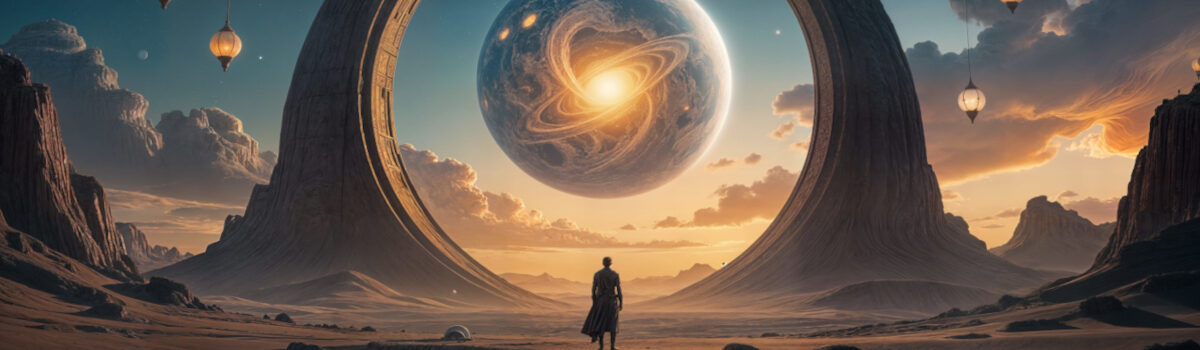
Electronic Surrealism, or the exploration of soundscapes where electronics become poetry and sound becomes vision
What is Electronic Surrealism?
It is an artistic movement that blends electronic music and surrealist aesthetics to explore dreams, the unconscious, and the imagination.
It combines synthetic textures, dreamlike atmospheres, and poetic visions to create soundscapes where reality is distorted, dissolved, and reinvented.
Between introspective experience and fantastical journey, Electronic Surrealism invites the listener to traverse invisible worlds, to feel what words cannot express, and to contemplate the irrational in a vibrant and modern form.
It is also an attempt to bring together electronic music that has been around for a long time but which, until now, has not been identified with a specific genre. Each artist is free to consider their music as being comparable to Electronic Surrealism. This genre belongs to no one and nothing, just like any other musical style.
The Manifesto
We assume that this musical style has never been clearly identified other than by the generic term “electronic music.” However, this term now encompasses genres that are often very distinct. Electronic Surrealism allows us to establish a more precise definition, especially since it is still relevant throughout the world.
This new musical genre is completely free. It does not belong to any existing entity. Every artist, whether professional or passionate amateur, can identify with the culture of electronic surrealism if they wish. It is not necessary to accompany the music with surrealist visual representations, as synthesizers and other electronic instruments can generate surrealist sounds.
We, artists and explorers of Electronic Surrealism, affirm that music can transcend the boundaries of reality.
We believe that sound, when free and poetic, can reveal the invisible, stir the unconscious, and open doors to impossible worlds.
lectronic Surrealism is not just a musical style: it is an experience, an inner journey where electronics meet dreams, where machines become instruments of fantasy, and where each sound vibration becomes a color, a reflection, an emotion.
We affirm that:
The imagination is the master of sound. Every note, every texture, every silence must nourish the mind and inspire wonder.
Creative freedom is essential. We reject standardized constraints and seek to transcend conventions in order to invent new soundscapes.
The visual and the auditory merge. The musical experience is accompanied by images, shapes, and movements that prolong the dream, explore the incongruous, and magnify the unexpected.
Surrealism is a path, not a fixed style. It is not about reproducing the past, but about opening up new perspectives, surprising, disturbing, and enchanting.
The listener becomes a traveler. The music speaks to those who are willing to lose themselves, to dream, to feel what words cannot express.
Electronic Surrealism is a manifesto for the free spirit, an invitation to listen beyond the known, to feel the invisible, and to contemplate the unexpected.
We create soundscapes where one can daydream and where electronics become a brush for painting infinity.
Explorations of Electronic Surrealism
Below are examples of iconic music videos that could be considered Electronic Surrealism. It should be noted that each artist is free to define their own musical style, which may not necessarily be Electronic Surrealism, even if their music and visual representations suggest it:
The movement’s playlists
Spotify playlist inspired by Electronic Surrealism:
Here is a playlist, also inspired by Electronic Surrealism, available on YouTube (14 selected tracks):
Inspirations and encounters
There are many musical influences. Here are a few examples: Jean-Michel Jarre, Vangelis, Kitaro, Tangerine Dream…
Here are several examples of Surrealist visuals:


Graphic artists were the first to create surrealist works, such as René Magritte, Salvador Dalí, Yves Tanguy, and others. Musicians also produced works in a similar vein, but without using the electronic instruments that became more popular decades later.
Follow, share, support, and join Electronic Surrealism
Here are the official hashtags: #ElectronicSurrealism / #SurréalismeÉlectronique
Want to support Electronic Surrealism? Then follow its artists, share playlists and music from this genre. You can also spread the word and share this page on social media. Thank you for your support!
Musician friends, does Electronic Surrealism appeal to you? Join the movement on the dedicated Facebook group (in French only for now) !
Find all the free resources you need to identify your instrumental music in the electronic surrealism genre on this page.
Would you like more information? Please feel free to contact me (Xhenon).